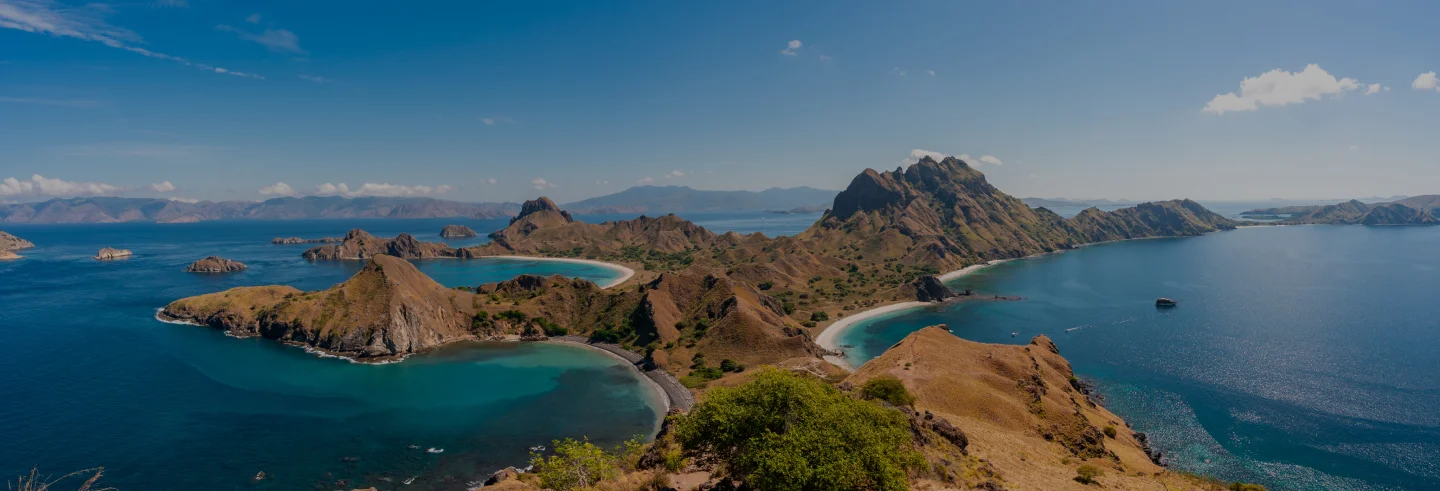
Indonesia's Finest Diving Destinations
From the Coral Triangle's richest reefs to remote volcanic islands — explore world-class dive sites across the Indonesian archipelago.
Explore
Seven Extraordinary Dive Regions
Indonesia sits at the heart of the Coral Triangle, the most biodiverse marine region on Earth. Our liveaboard itineraries span seven distinct destinations, each offering unique underwater encounters — from hammerhead migrations in the Banda Sea to manta rays in Bali, pristine coral gardens in Wakatobi to WWII wrecks in Halmahera.
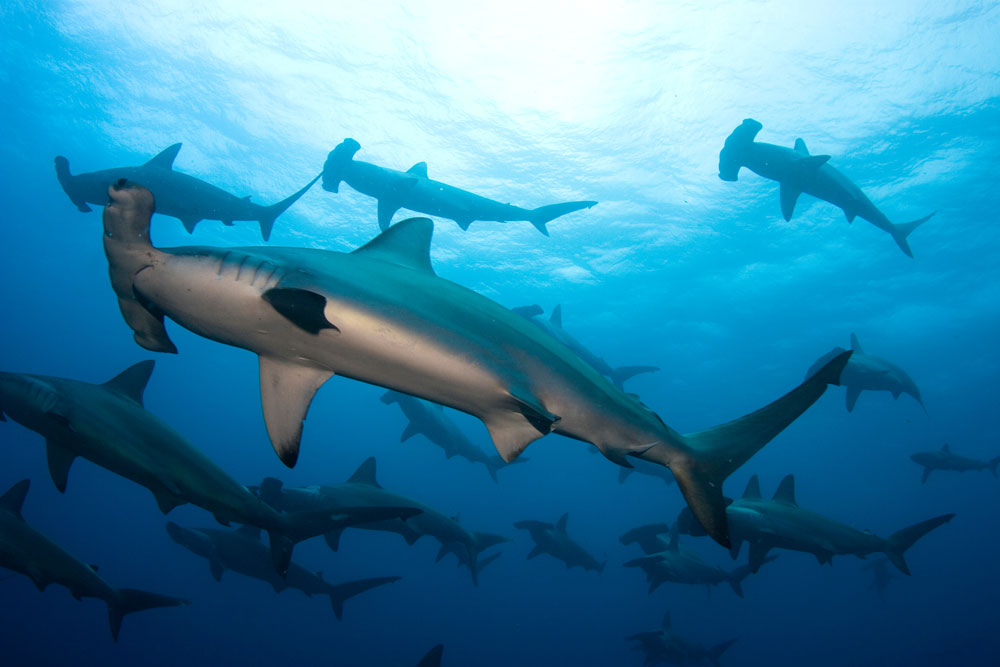
Banda Sea
Famous for the hammerhead shark migration, the Banda Sea offers thrilling deep dives through the Ring of Fire with volcanic underwater landscapes and pristine, untouched reefs.
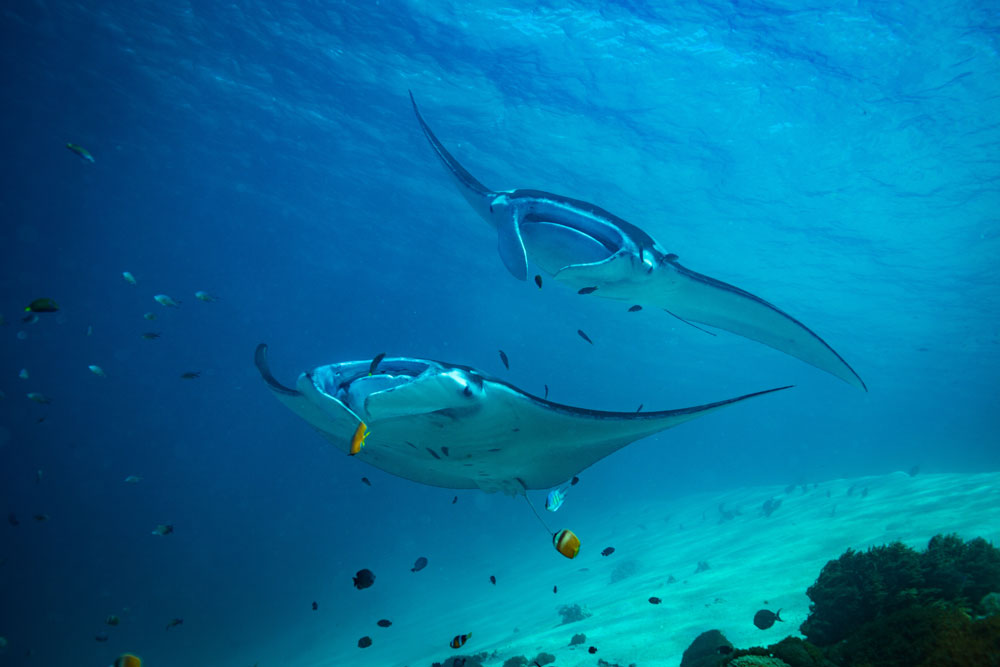
Komodo
A UNESCO World Heritage Site where you can dive with manta rays, drift over vibrant coral pinnacles, and visit the iconic Komodo dragons on land between dives.
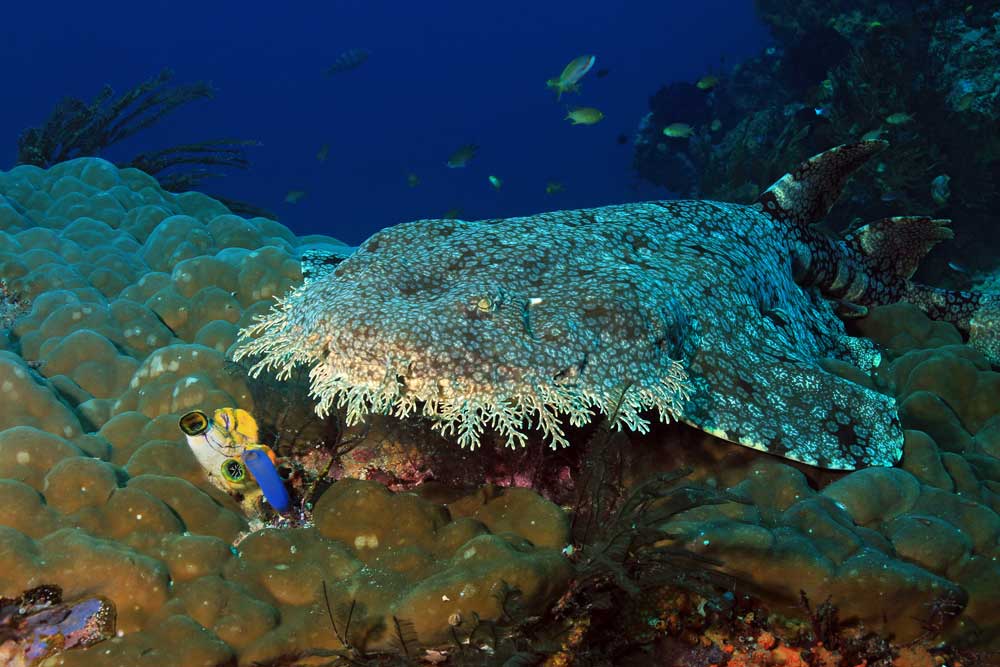
Raja Ampat
The crown jewel of marine biodiversity — over 1,500 fish species and 75% of the world's coral species thrive in these legendary Papua waters.
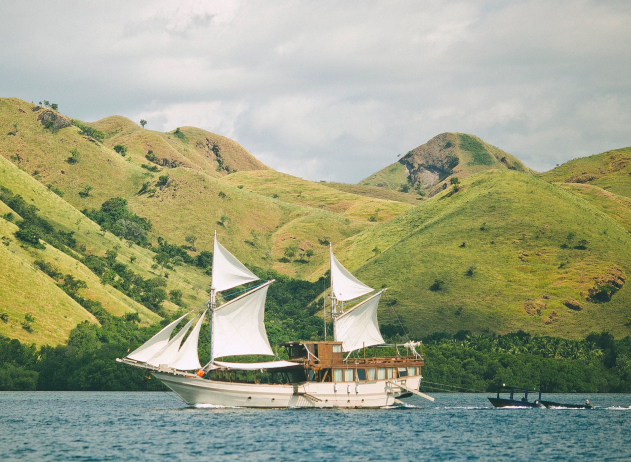
Alor
Indonesia's hidden macro diving paradise. Black volcanic sand slopes host an incredible diversity of critters alongside pelagic encounters with hammerhead and thresher sharks.
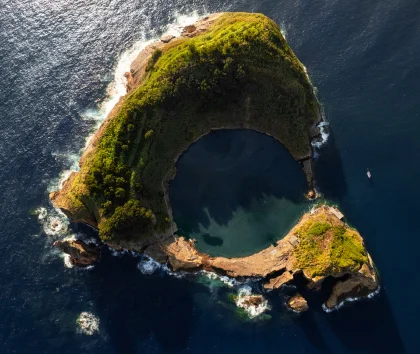
Wakatobi
A UNESCO Biosphere Reserve with over 750 coral species and crystal-clear visibility reaching 50 meters. One of the healthiest reef ecosystems on the planet.
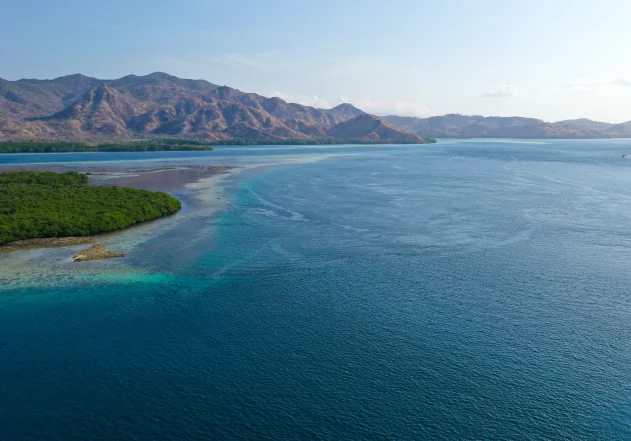
Halmahera
One of Indonesia's last diving frontiers — explore WWII wrecks from the Pacific Theater, encounter the endemic walking shark, and dive pristine untouched reefs.
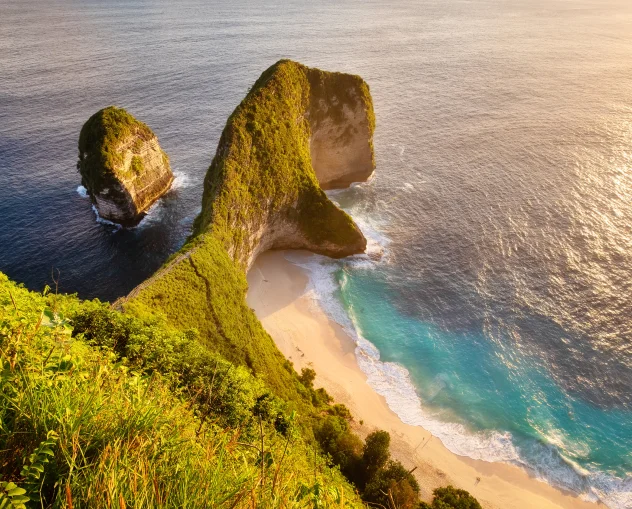
Bali
Dive iconic sites from Nusa Penida's Manta Point to the USAT Liberty wreck in Tulamben. Mola Mola season brings the world's heaviest bony fish to Crystal Bay.
Plan Your Trip
When to Dive in Indonesia
Indonesia offers year-round diving, but each destination has its peak season. Use this calendar to plan the perfect trip.
Manta Ray Season
Peak encounters in Komodo (April–June) and Raja Ampat (November–April). Cleaning stations and feeding aggregations offer spectacular close encounters.
Water temp: 26–28°C
Hammerhead & Pelagic Season
Banda Sea comes alive from September to November with schooling hammerheads, whale sharks, and oceanic mantas at remote seamounts.
Water temp: 27–29°C
Macro & Critter Season
Year-round in Raja Ampat and Alor, but best visibility and calm conditions from October to April. Pygmy seahorses, blue-ringed octopus, and nudibranchs abound.
Water temp: 27–30°C
Compare
Destination Comparison at a Glance
Not sure which Indonesian dive destination is right for you? Compare water conditions, marine life highlights, and recommended experience levels across all seven regions to find your perfect match.
| Destination | Water Temp | Visibility | Best Season | Top Marine Life | Level |
|---|---|---|---|---|---|
| Banda Sea | 26–29°C | 25–40m | Sep – Dec | Hammerhead sharks, sea snakes, pilot whales | Advanced |
| Komodo | 24–30°C | 10–30m | Apr – Oct | Manta rays, reef sharks, Komodo dragons | All Levels |
| Raja Ampat | 27–30°C | 15–30m | Oct – Apr | Wobbegong sharks, manta rays, 1500+ fish species | All Levels |
| Alor | 24–28°C | 15–30m | Apr – Nov | Blue-ringed octopus, hammerheads, nudibranchs | Advanced |
| Wakatobi | 27–29°C | 25–50m | Mar – Nov | 750+ coral species, pygmy seahorses, turtles | All Levels |
| Halmahera | 27–30°C | 15–30m | Mar – Nov | Walking sharks, WWII wrecks, mandarin fish | Intermediate |
| Bali | 20–29°C | 10–30m | Apr – Oct | Mola Mola, manta rays, USS Liberty wreck | All Levels |
When to Go
Best Time to Dive Each Destination
Indonesia offers world-class diving year-round — different destinations peak at different times. Use this seasonal guide to plan when to visit each region for optimal conditions.
| Destination | Jan | Feb | Mar | Apr | May | Jun | Jul | Aug | Sep | Oct | Nov | Dec |
|---|---|---|---|---|---|---|---|---|---|---|---|---|
| Banda Sea | ||||||||||||
| Komodo | ||||||||||||
| Raja Ampat | ||||||||||||
| Alor | ||||||||||||
| Wakatobi | ||||||||||||
| Halmahera | ||||||||||||
| Bali |
About Indonesia
Why Indonesia is the World's #1 Diving Destination
Stretching across 5,000 kilometers of tropical ocean, Indonesia is the largest archipelago on Earth with over 17,000 islands. Sitting at the crossroads of the Pacific and Indian Oceans, it forms the heart of the Coral Triangle — the global epicenter of marine biodiversity. No other country offers such a diverse range of diving experiences, from volcanic black sand muck diving to pristine coral walls, dramatic drift dives, historical WWII wrecks, and open-ocean encounters with the planet's largest marine animals.
Indonesia's waters are home to more than 3,000 fish species and over 600 species of reef-building coral — representing roughly 75% of all known coral species worldwide. The sheer concentration of marine life is unmatched: Raja Ampat holds the world record for fish species counted on a single dive (374), while Wakatobi's reefs are recognized as among the healthiest on Earth. From the legendary hammerhead shark migrations of the Banda Sea to the endemic walking sharks of Halmahera, each destination reveals species and behaviors found nowhere else.
A liveaboard is the ideal way to explore Indonesia's most remote and pristine dive sites. Many of the country's best reefs and marine encounters are accessible only by boat — far from the crowds and shore-based dive centers. Neptune Liveaboards connects you to seven distinct diving regions, each with its own character, marine life, and seasonal rhythms. Whether you're a photographer seeking macro critters on Alor's black sand slopes, an adrenaline junkie chasing hammerheads in the Banda Sea, or a coral enthusiast marveling at Wakatobi's pristine reefs, Indonesia has a liveaboard adventure waiting for you.
17,000+
Islands in Indonesia
3,000+
Fish Species
600+
Coral Species
7
Dive Destinations
Why Neptune
Why Dive With Neptune Liveaboards
Every Neptune liveaboard trip is crafted for divers who demand the best — from world-class dive sites to luxury onboard service.
Heart of the Coral Triangle
All our destinations lie within the Coral Triangle, the epicenter of marine biodiversity with more species than anywhere else on Earth.
Big Animal Encounters
From hammerhead sharks and manta rays to whale sharks and mola mola — our itineraries are designed around the most spectacular marine encounters.
Luxury Service
Free satellite internet, free diving insurance, 4-to-1 diver ratio, gourmet meals, and multilingual crew on every voyage.
Flexible Booking
Best Price Guarantee, no booking fees, and flexible cancellation policies. Our team provides full travel assistance from booking to departure.
FAQ
Common Questions About Diving Indonesia
What is the Coral Triangle and why does it matter?
The Coral Triangle is a marine area spanning Indonesia, Malaysia, Papua New Guinea, the Philippines, the Solomon Islands, and Timor-Leste. It contains over 75% of the world's coral species and more than 3,000 fish species. All seven of our diving destinations lie within this extraordinary region, giving divers access to the richest marine biodiversity on Earth.
Which destination is best for beginner divers?
Wakatobi and Bali (Tulamben) are excellent for beginners. Wakatobi offers calm conditions, mild currents, and exceptional visibility up to 50 meters. Tulamben in Bali features the USS Liberty wreck accessible from shore in shallow water. Komodo and Raja Ampat also have many sites suitable for Open Water certified divers.
Where can I see hammerhead sharks in Indonesia?
The Banda Sea is the premier destination for hammerhead shark encounters, with large schools migrating through from September to December. Alor also offers hammerhead sightings, particularly at sites like Baruna's Point from September to November.
When is the best overall time to dive in Indonesia?
Indonesia offers year-round diving because different regions peak at different times. Generally, April to November covers most destinations. The Banda Sea peaks September–December, Raja Ampat is best October–April, and Bali's Mola Mola season runs July–October. A liveaboard trip can be planned for any month of the year.
Do I need to be an advanced diver for a liveaboard trip?
Not necessarily. Komodo, Wakatobi, Raja Ampat, and Bali all have many sites suitable for Open Water certified divers. However, the Banda Sea requires Advanced certification with 50+ logged dives due to deep walls and strong currents. Alor is best with Advanced certification and at least 30 dives.
How far in advance should I book?
We recommend booking 3–6 months in advance for popular seasons. Banda Sea trips (September–December) and Raja Ampat trips (October–April) sell out earliest. Komodo is available year-round with more flexibility. Our Best Price Guarantee and flexible cancellation policies make early booking risk-free.
Can I combine multiple destinations in one trip?
Our standard itineraries focus on one destination per trip to maximize dive time and experiences. However, you can book back-to-back trips to explore multiple regions. Our travel team can help plan multi-destination diving holidays across Indonesia.
What is included in a Neptune Liveaboards trip?
All trips include liveaboard accommodation, diving activities, three daily meals plus snacks, airport/hotel transfers, unlimited satellite internet, snorkeling gear, kayaking, SUP, and a 4-to-1 diver-to-guide ratio. Equipment rental, nitrox, park fees, and alcoholic beverages are available at additional cost.
Ready to Dive Indonesia?
Browse our upcoming departures and find your perfect liveaboard adventure across Indonesia's most spectacular dive destinations.