Raja Ampat Liveaboard
Discover Raja Ampat's Marine Paradise
About
About Raja Ampat Liveaboard
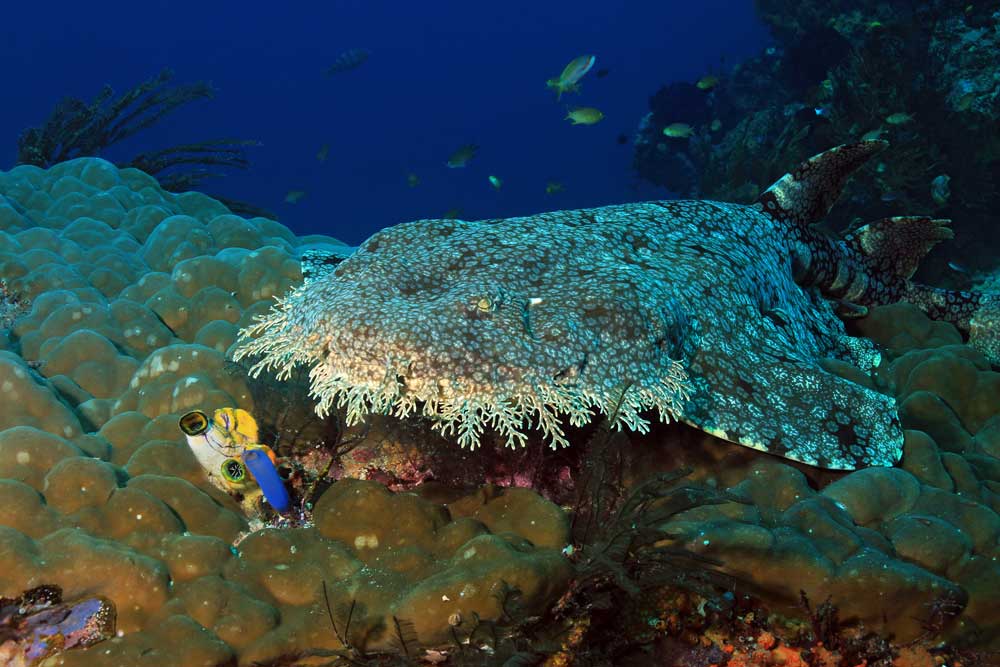
Raja Ampat liveaboard is world famous for its colorful corals with dense schools of colorful fish and encounters with wonderful critters. Lucky divers will see an astounding number of rare marine life species including Wobbegong Sharks, Manta Rays, Epaulette Sharks, Bobtail Squid, Whale Sharks, Pygmy Seahorses and thousands of colorful fish.
Enjoy our Raja Ampat liveaboard with free unlimited satellite internet and the best mixture of Enriched Air (NITROX) with the latest technology of Bauer PE 320B Membrane system compressor.

Our Trip Snapshot
Experience
Raja Ampat's Rich Underwater Diversity
Raja Ampat is a chain of islands boasting a wide variety of underwater environments, starting from easy reef dives, deep dives, to high-speed drifts. The highlight is by far the diversity of tropical fish. The highest diversity of marine life on Earth exists in Raja Ampat, all of it can be explored with our Raja Ampat Liveaboard.
First Thoughts
Although the Wobbegong Shark and Manta Ray are the stars of the show, divers can explore large schoolings of fish, as well as the unique Walking Shark and the deadly Blue Ring Octopus. Diversity is what describes Raja Ampat Liveaboard the best.
What to Expect
Raja Ampat is one of the most popular diving destinations in Indonesia, primarily because of the rich biodiversity. Stunning untouched coral reefs, Manta Rays, sharks and a lot more can be seen here. There are three main diving areas in Raja Ampat: Central, North and South.
Getting There
Traveling to Raja Ampat is rather easy with direct flights from major cities such as Jakarta and Bali. Most liveaboards depart from Sorong harbor, a short 15 minutes car ride from the airport.
Dive Sites
Top Dive Sites in Raja Ampat
Home to the richest marine biodiversity on Earth, Raja Ampat’s dive sites consistently break records — with more fish and coral species per square meter than anywhere else.
Cape Kri
All LevelsWorld record holder for fish species counted on a single dive (374!) — an explosion of color with massive schools of fusiliers, surgeonfish, and jacks.
Blue Magic
IntermediateUnderwater seamount where reef manta rays, grey reef sharks, barracuda schools, and Napoleon wrasse congregate in the nutrient-rich currents.
Manta Sandy
All LevelsWhite sand bottom cleaning station where reef manta rays queue up patiently as cleaner wrasse remove parasites — a magical, serene encounter.
Melissa's Garden
All LevelsPristine hard coral garden with massive table corals stretching to the horizon, colorful reef fish, and resident pygmy seahorses on sea fans.
The Passage
All LevelsUnique channel between Waigeo and Gam islands with freshwater lenses, soft coral-covered walls, and schools of batfish in an otherworldly setting.
Sardine Reef
All LevelsEnormous schools of sardines and fusiliers create mesmerizing silver walls of fish, with jacks and trevally hunting around a vibrant reef.
Best Time to Visit
Raja Ampat Diving Season Calendar
The prime season runs from October to April with calm seas, peak visibility, and manta ray encounters. The region offers good diving year-round.
| Month | Water Temp | Visibility | Currents | Highlight |
|---|---|---|---|---|
| Jan | 29°C | 20–30m | Mild | Manta season |
| Feb | 29°C | 20–30m | Mild | Peak mantas |
| Mar | 29°C | 20–30m | Mild | Great conditions |
| Apr | 30°C | 15–25m | Mild | Manta season ends |
| May | 29°C | 15–20m | Moderate | Transition |
| Jun | 28°C | 10–20m | Moderate | Rougher seas |
| Jul | 28°C | 10–20m | Moderate | Off-peak |
| Aug | 28°C | 10–20m | Moderate | Off-peak |
| Sep | 28°C | 15–20m | Moderate | Whale sharks possible |
| Oct | 29°C | 20–30m | Mild | Season opens |
| Nov | 29°C | 25–30m | Mild | Peak visibility |
| Dec | 29°C | 25–30m | Mild | Excellent diving |
Recommended months for diving Raja Ampat
Conditions
Water Conditions & Gear
Temperature
27–30°C (81–86°F)
Visibility
15–30m (50–100ft)
Currents
Mild to moderate — generally gentle
Best Visibility
October – April
Thermoclines
Rare; consistently warm waters
Suit
3mm full wetsuit
Certification
Open Water sufficient for most sites
Nitrox
Available and recommended for multi-dive days
Marine Life
What You’ll See in Raja Ampat
Raja Ampat holds the world record for marine biodiversity — over 1,500 fish species and 600 coral species call these waters home, making every dive a once-in-a-lifetime experience.
Sharks & Rays
- Reef manta rays
- Oceanic manta rays
- Wobbegong sharks
- Walking sharks (epaulette)
- Grey reef sharks
- Whale sharks (rare)
Record Biodiversity
- 1,500+ fish species documented
- 600+ hard coral species
- 75% of world's coral species
- More species per dive than anywhere
Pelagics
- Barracuda schools
- Giant trevally
- Dogtooth tuna
- Napoleon wrasse
- Bumphead parrotfish
Macro Life
- Pygmy seahorses (multiple species)
- Ornate ghost pipefish
- Nudibranchs
- Mandarin fish
- Blue-ringed octopus
Other
- Green & hawksbill turtles
- Dolphins
- Dugongs (rare)
- Cuttlefish
- Octopus
Travel
How to Get There
Fly to Sorong (SOQ) in West Papua. There are daily flights from Jakarta and Makassar via Garuda Indonesia and Lion Air. From Sorong, we transfer you directly to the vessel at the harbor.
Our team provides full travel assistance to help you arrange the most convenient flights and connections. The transfer from Sorong airport to the harbor is a short 15-minute car ride.
Departure Port: Sorong Domine Eduard Osok Airport (SOQ) — daily flights from Jakarta and Bali
Departure ports may change. Please confirm your exact departure point with our reservations team during the booking process.
Travel Tips
Tips for Travelers
Seasonal Planning
The best time to visit Raja Ampat is from October to April, when the sea is calmer and visibility is excellent. The manta ray season peaks from November to April.
Accommodations
Book your trip well in advance, especially during peak travel seasons from October to April. Raja Ampat trips are popular and availability fills up quickly.
Respect Local Customs
Raja Ampat has a rich cultural heritage. Show respect for local customs and traditions, and always ask permission before taking photos of people or visiting villages.
Eco-conscious Travel
Raja Ampat is part of a fragile marine ecosystem. Be a responsible traveler by minimizing plastic use, not touching marine life while snorkeling or diving, and supporting eco-friendly tours and accommodations.
Travel Essentials
Practical Travel Information
Visa
Visa on Arrival available for most nationalities (30 days, extendable once). Passport must be valid for 6+ months.
Currency
Indonesian Rupiah (IDR). ATMs are limited in Sorong — withdraw sufficient cash in Bali or Jakarta before your flight.
Marine Park Permit
Raja Ampat marine park permit (PIN) is required. The fee is included in your trip price and supports local conservation.
Tipping
Customary to tip the crew. A guideline of Rp 271,500–362,000 per guest per day is appreciated.
What to Pack
Light clothing, waterproof camera bag, reef-safe sunscreen, insect repellent, and personal medications.
Health
Malaria prophylaxis recommended. No mandatory vaccinations. Recommended: Hepatitis A/B, Typhoid.
Electricity
220V, 50Hz with Type C/F plugs (European style). Bring a universal adapter.
Time Zone
WIT (Eastern Indonesian Time), UTC+9.
Our Itinerary
Experience the Best of Raja Ampat
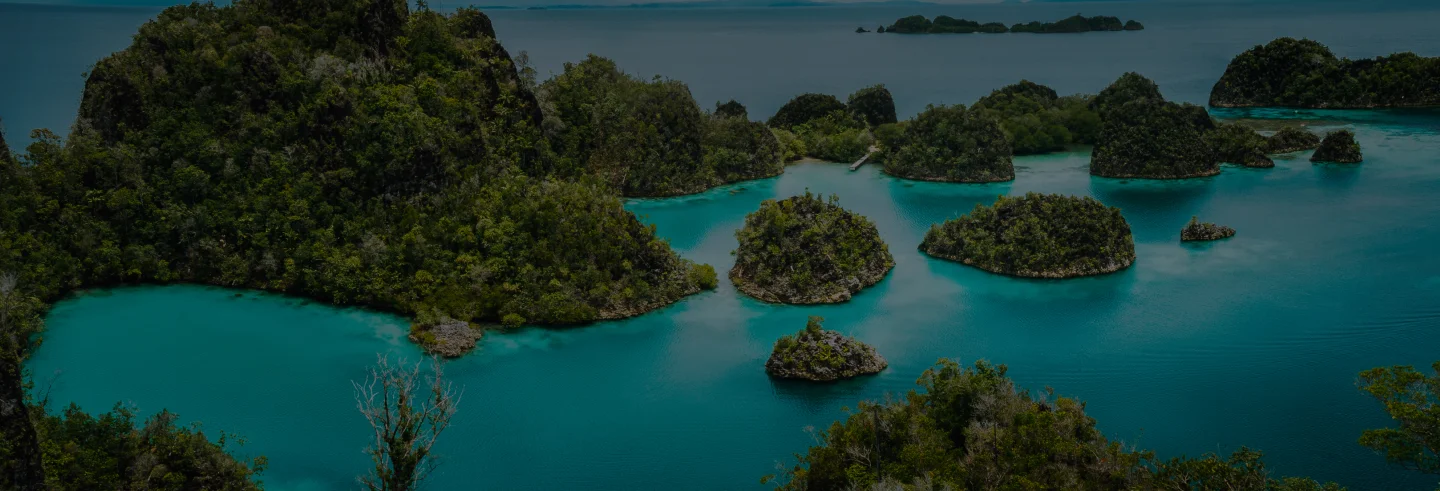
Raja Ampat diving delivers a remarkable experience, with the North & Central itinerary being the top choice due to famous sites like Blue Magic and Chicken Reef. On a liveaboard, expect up to 3 daily dives plus night dives. Check our schedule for detailed trip information.
See ScheduleYour Trip
What's Included & Excluded
What's Included
- Liveaboard accommodation
- Airport/Hotel Transfer
- Diving activities
- Three daily main meals
- Unlimited Satellite Internet
- Three main daily snacks
- All-day snacks, coffee / tea
- Tanks, weights, weight belts
- Snorkeling gear
- 4 on 1 diver to guide ratio
- SUP (Stand-up Paddle board)
- Kayaking
Not Included
- NITROX
- Equipment rental (BCD, Wetsuit, Regulator, etc)
- Single occupancy cabin
- National park fees
- Private dive guide
- Alcoholic beverages & soft drinks
FAQ
Common Questions
When is the best time to visit Raja Ampat?
October to April is the prime season, with calm seas, excellent visibility (25–30 m), and water temperatures of 28–30°C. The manta ray season peaks from November to April. May–September can be rougher but offers fewer tourists.
How do I get to Raja Ampat?
Fly to Sorong (SOQ) in West Papua. There are daily flights from Jakarta and Makassar via Garuda and Lion Air. From Sorong, we transfer you directly to the vessel at the harbor.
Why is Raja Ampat so special for diving?
Raja Ampat sits at the heart of the Coral Triangle and holds the world record for marine biodiversity—over 1,500 fish species and 600 coral species have been documented. No other place on Earth comes close.
Do I need a Raja Ampat marine park permit?
Yes, all visitors need a marine park entry permit (PIN). The cost is included in our trip price. The permit fee directly supports local conservation efforts and community development.
What experience level is recommended?
Raja Ampat suits all levels from Open Water to technical divers. Sites range from gentle coral gardens to exhilarating drift dives. Our guides match groups to conditions and experience levels.
Explore More
See Other Destinations
Banda Sea
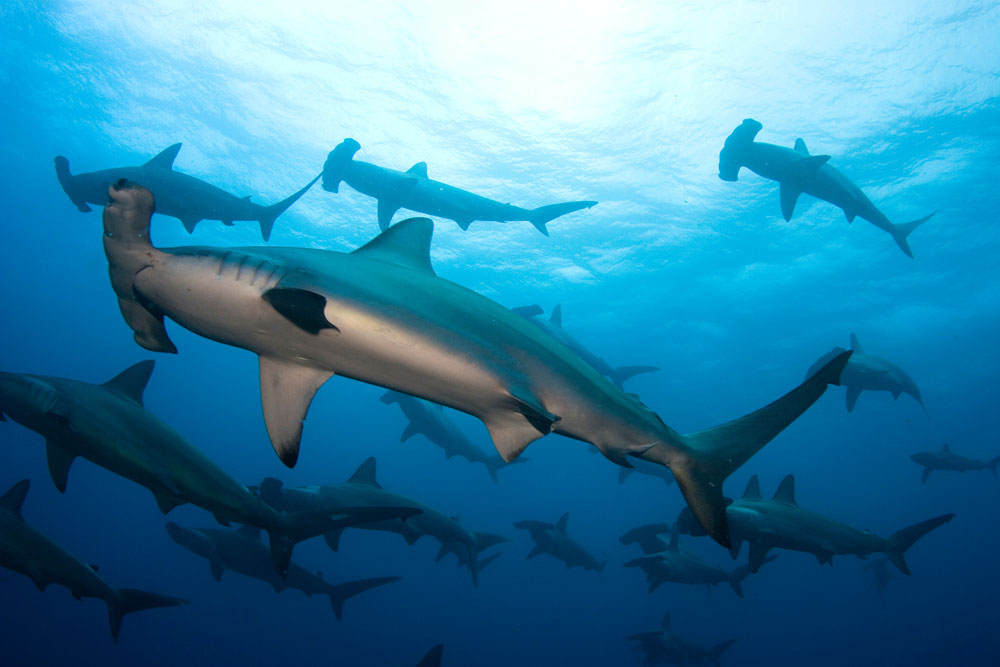
With its volcanic islands and deep waters, the Banda Sea is home to hammerhead sharks, sea snakes, and vibrant coral gardens.
Explore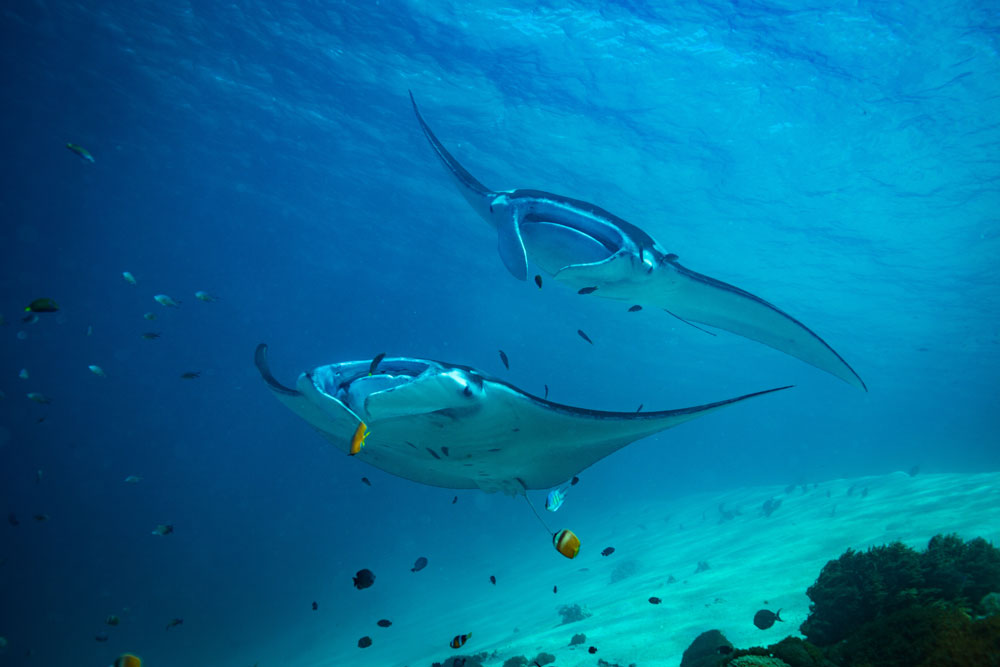
Komodo
A UNESCO World Heritage Site, Komodo National Park is home to the iconic Komodo dragons and offers equally impressive underwater wonders.
Explore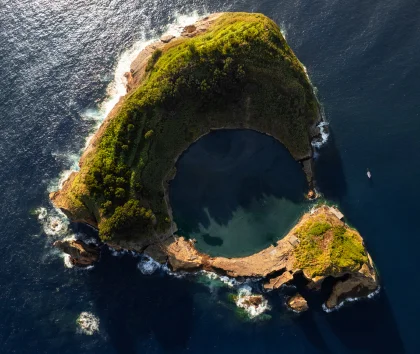
Wakatobi
A UNESCO Biosphere Reserve with pristine coral reefs, crystal-clear visibility up to 50 meters, and exceptional marine biodiversity.
Explore